

How does Titanos’ Titanium Dioxide Improve Weathering Resistance in Building Materials?
Date
18 of July, 2025
Author
PROQUINSA
Reading
15 min
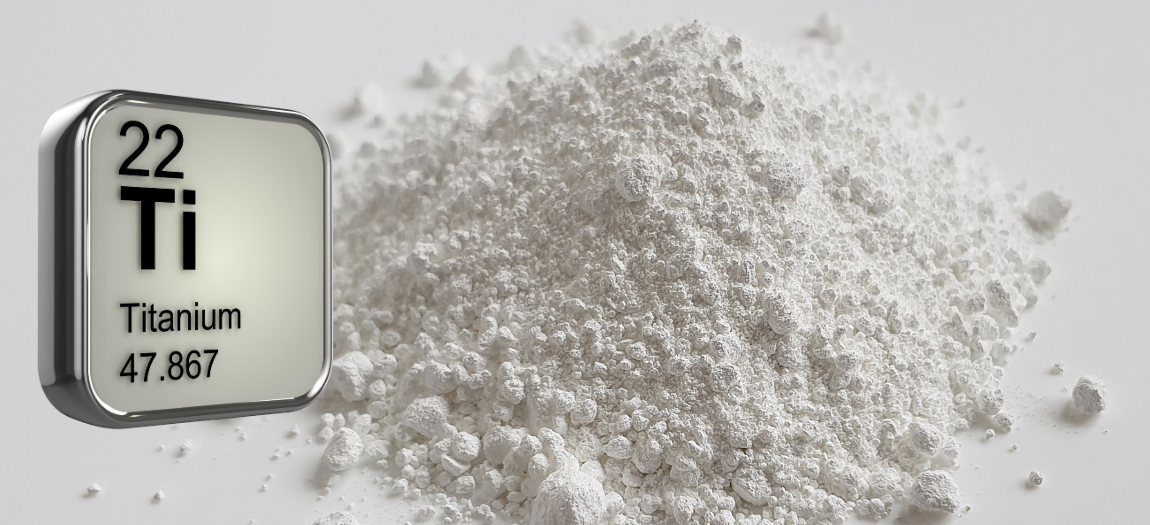
In the dynamic construction sector, where each structure must continuously resist the action of solar radiation, humidity, chemical agents, and environmental abrasion, there is a key input whose function goes unnoticed, but is decisive for the final performance of the materials: Titanium Dioxide. PROQUINSA (Productos Químicos Industriales S.A.) distributes Titanium Dioxide from Titanos, a brand internationally recognized for its stability, purity, and technical performance, in the Peruvian market.
Titanium Dioxide (TiO₂) is a compound widely used in coatings, plastics, and construction supplies due to its high opacity, excellent resistance to UV radiation, and its chemically inert character. Coming from minerals such as ilmenite and rutile, its production involves separation, purification, and crystalline conversion processes that allow for the obtaining of particles with controlled morphologies and sizes, optimized for high-performance industrial applications.
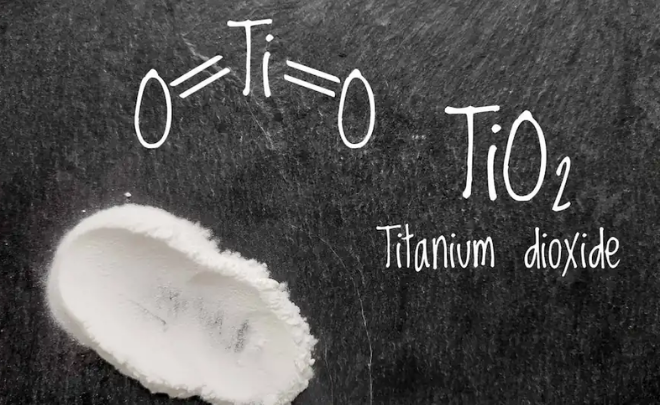
TiO₂: A strategic input for the construction industry
At the microscopic level, TiO₂ particles exhibit crystalline structures (rutile or anatase) that are capable of efficiently scattering and reflecting visible and ultraviolet light. This property is essential for protecting surfaces exposed to weathering, preventing premature degradation caused by photodegradation, discoloration, oxidation, and loss of surface integrity. Its inert character and high chemical resistance allow it to maintain its properties even under severe environmental conditions, ensuring the longevity of coatings, mortars, PVC, foils, and other construction materials.
In the plastics industry, TiO₂ not only provides whiteness and color stability but also acts as a UV-blocking agent, preserving the mechanical properties of the polymer and extending the useful life of the final product.
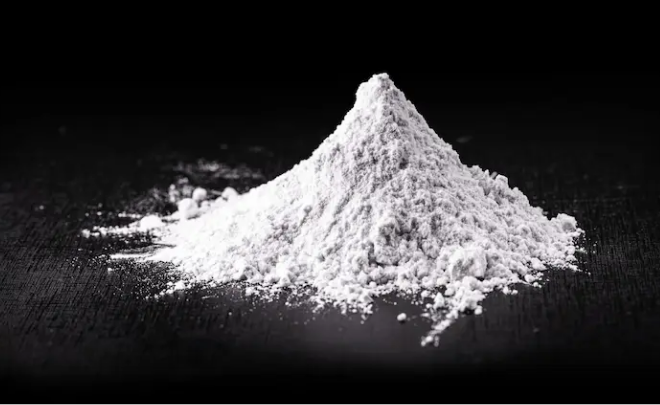
Titanos’ Titanium Dioxide: Engineering applied to protection
Titanos is one of the leading manufacturers in the development of TiO₂ with optimized specifications for industrial applications. As an authorized distributor, PROQUINSA makes available to the market products with differential attributes that directly impact the final performance:
- High chemical purity
The level of metallic impurities is extremely low, which increases photochemical stability and improves compatibility with coating matrices and polymers. - Controlled particle size
Ultra-fine particles ensure excellent dispersion, higher hiding power, and uniform incorporation both in waterborne and solventborne systems. - Superior opacity and whiteness
Light scattering ability provides maximum hiding power, color stability, and high UV protection in paints, sealers, and plastic compounds. - Durability and weatherability
Coatings formulated with TiO₂ titania exhibit lower gloss loss, greater stability against yellowing, and higher resistance to photochemical degradation. - Excellent chemical resistance
Ideal for urban, industrial, and coastal environments exposed to corrosive agents such as Sulfur Dioxide (SO₂), salinity, or volatile organic compounds. - Compatibility and ease of processing
Efficiently integrates into architectural paints, industrial coatings, rigid/flexible PVC, and masterbatches. - Environmental compliance and sustainable processes
Titanos utilizes low-impact production technologies, aligning with international sustainability standards.
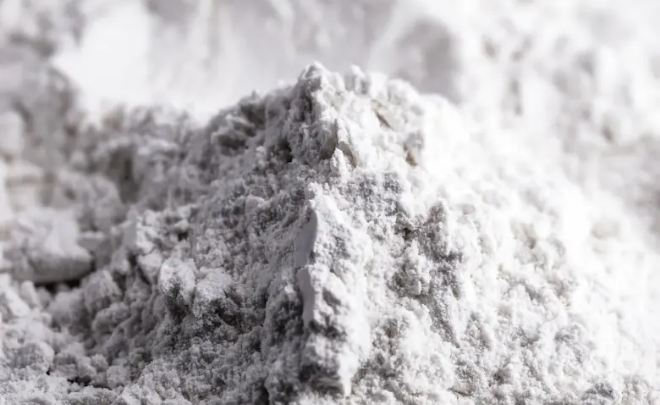
How Titanium Dioxide improves weatherability:
TiO₂ is a critical component in ensuring the durability of materials in outdoor applications. Its technical benefits include:
- UV protection: It acts as a barrier against photodegradation, preventing micro-cracking, loss of cohesion, and discoloration.
- Corrosion reduction: By protecting coatings, oxidation of metal structures is reduced:
- Increased resistance to abrasion: Improves the surface hardness of coatings for pavements and signage.
- Color stability: Retains its aesthetic appearance even under extreme radiation conditions.
- Reduced maintenance: By increasing the material’s durability, operating costs and repainting cycles are reduced.
- Energy efficiency: Its high reflection index helps to reduce thermal absorption.
- Healthier environments: Reduces the formation of mold and mildew on surfaces exposed to moisture.
- Life cycle optimization: Extends the service life of composite materials, facades, plastic sheeting, and architectural coatings
10 technical criteria for selecting an industrial TiO₂
- Chemical purity
- Particle size and distribution
- Opacity level and hiding power
- UV stability
- Crystalline morphology (rutile/anatase)
- Pigment surface treatment
- Compatibility with product matrix
- Batch to batch consistency
- Regulatory compliance
- Manufacturer’s technical support
Titanium Dioxide (TiO₂) from Titanos, distributed by PROQUINSA, is a strategic input that enhances the performance of construction materials against weathering. Its capacity to protect, reinforce, and stabilize systems exposed to severe environmental conditions makes it an essential component of coatings, plastics, and modern architectural applications. To incorporate it into formulations is to invest in durability, efficiency, and technical performance.