
Environmental Impact of Organic or Ecological Agriculture
Date
11 of December, 2025
Author
PROQUINSA
Reading
15 min
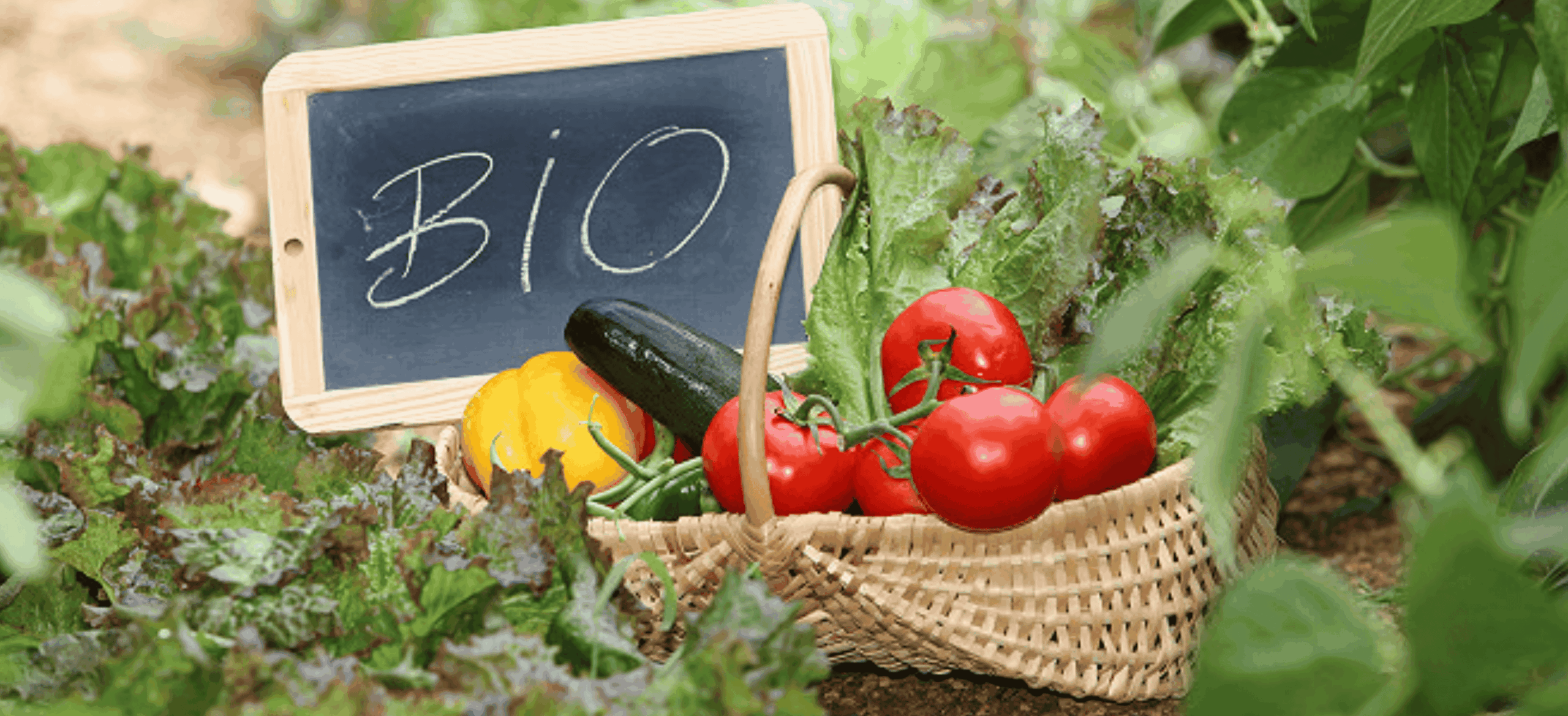
Organic or ecological agriculture is a key approach to sustainable agriculture, characterized by near-total prohibition of synthetic inputs and mandatory crop rotation, both of which are vital for maintaining soil health.
When properly managed, organic farming reduces or eliminates water pollution and promotes soil and water conservation at the farm level. In several developed countries, such as Germany and France, its application is encouraged or mandatory as a strategy to combat water pollution.
In this sense, this agricultural model generates positive environmental impacts and helps mitigate multiple problems associated with climate change.
Environmental impact of organic farming
The effects of agricultural activity on the ecosystem tend to manifest slowly and over the long term. Organic agriculture considers these impacts and seeks to produce food through an ecological balance that maintains soil fertility and reduces pest incidence.
Unlike conventional systems, this approach aims to identify and address potential issues before they occur, rather than responding to problems once they arise.

Areas of impact of organic farming
1. Water
In many agricultural areas, the contamination of surface and groundwater by synthetic fertilizers and pesticides is a critical problem.
Since these inputs are prohibited in organic agriculture, they are replaced by natural fertilizers such as compost, animal manure, and green manure.
Increased biodiversity and improved soil management practices also promote water infiltration and reduce runoff.
2. Air
Organic agriculture reduces non-renewable energy consumption by avoiding the use of agrochemical inputs whose production requires large amounts of fossil fuels.
It also helps mitigate the greenhouse effect by increasing the soil’s capacity to retain carbon.
3. Soils
Soil management is a central pillar of organic agriculture. Practices such as crop rotation, mixed cropping, symbiotic associations, cover crops, organic fertilization, and minimum tillage are applied.
These techniques promote soil biodiversity, improve soil structure, and strengthen soil stability, increasing nutrient availability and water retention capacity. This compensates for the absence of synthetic mineral fertilizers
4. Genetically Modified Organisms
The use of genetically modified organisms (GMOs) is strictly prohibited at all stages of organic food production, processing, and handling.
Organic certification guarantees that GMOs have not been intentionally used, unlike most conventional products, which lack such assurance due to mandatory labeling in many countries.

5. Biodiversity
Organic farmers act as custodians of biodiversity.
At the genetic level, they favor the use of traditional seeds and varieties that are more resistant to disease and climatic pressures.
At the species level, they strategically combine plants and animals to optimize nutrient and energy cycles in the agroecosystem.
6. Ecological Services
Organic agriculture supports multiple ecosystem services essential to agricultural production and environmental conservation. These include:
- Soil formation and stabilization
- Recycling and use of waste
- Carbon capture and storage
- Nutrient regulation
- Biological pest control
- Pollination
- Creation of habitats for beneficial wildlife