

Chemical Hazards
Date
11 of December, 2025
Author
PROQUINSA
Reading
15 min

Occupational hazards include various dangers, such as chemical hazards, which are the focus of this analysis. This concept is defined below, along with its workplace factors and agents.
What is chemical risk?
Chemical risk, also known as chemical hazard, refers to conditions with a high potential to cause occupational health damage due to uncontrolled exposure to chemical agents.
This risk arises when workers come into contact with chemical contaminants, which, depending on their nature, concentration, route of entry, and exposure time, can have serious effects on human health and the environment, including irreversible and potentially lethal effects.
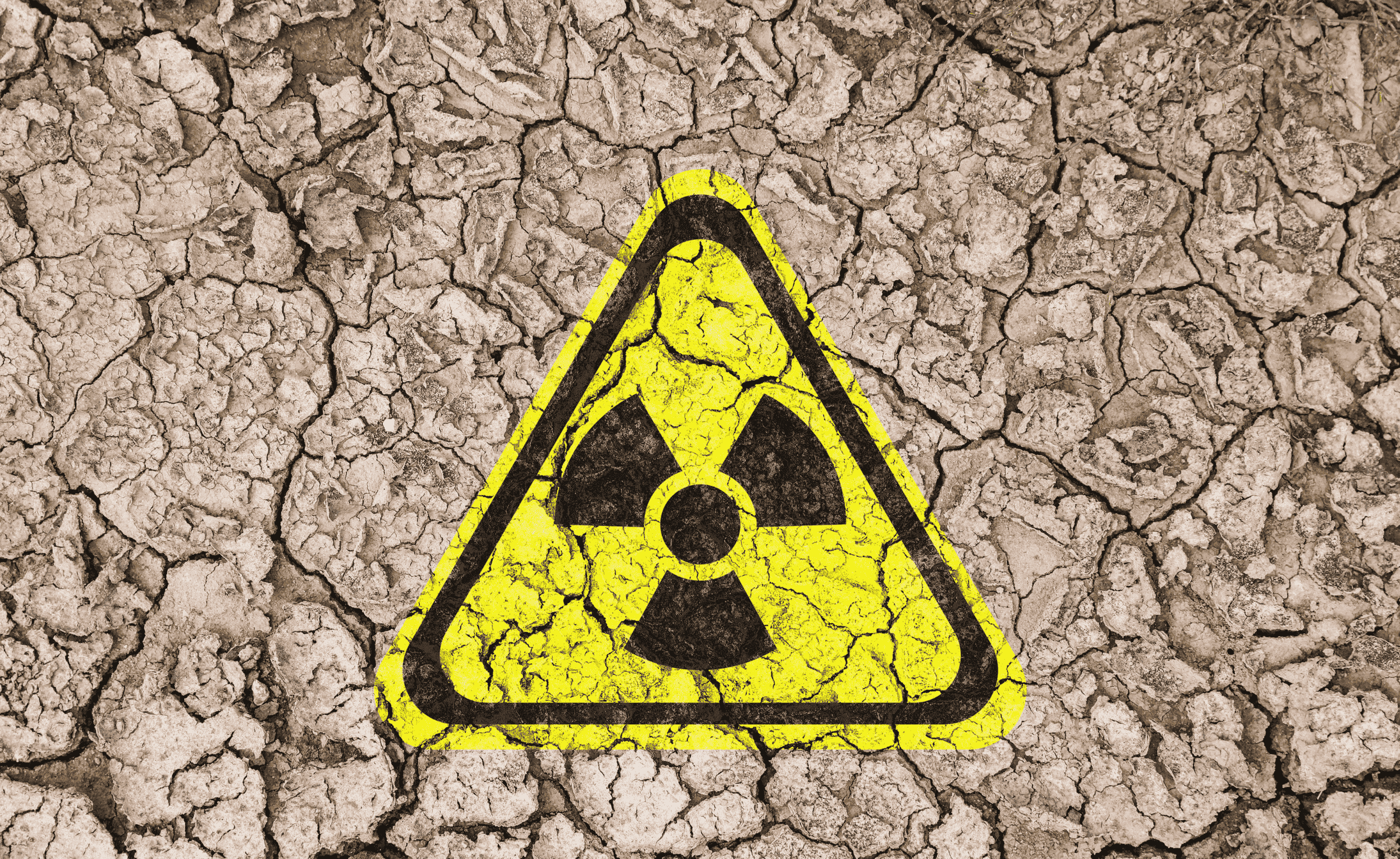
Types of chemical risks in occupational health
Chemical hazards are classified according to the harmful effect they have on living organisms:
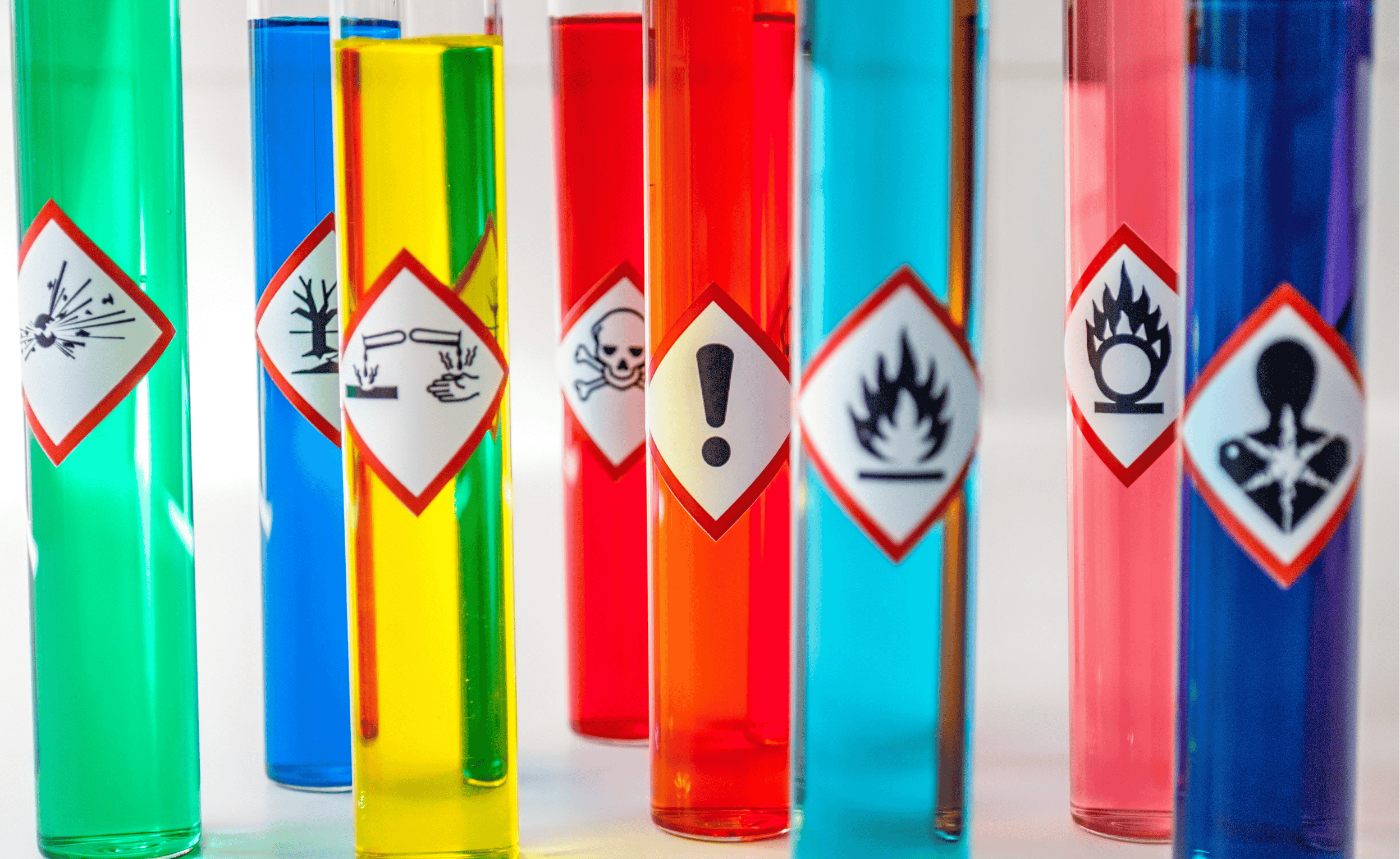
- Explosives: Substances that can detonate due to flame, friction, or shock (e.g., nitroglycerin).
- Oxidizers: Compounds that generate or intensify the combustion of other substances (e.g., oxygen, hydrogen peroxide).
- Extremely flammable: Liquids and gases with flash points below 21°C (e.g., hydrogen).
- Flammable: Substances that can catch fire when heated, in contact with water or humid air, and release flammable gases (e.g., benzene, acetone).
- Corrosive: Products capable of destroying living tissue or inert materials (e.g., hydrochloric acid).
- Toxic: Substances that produce harmful effects of varying severity when in contact with living organisms.

Factors that determine chemical risk
Industry is the main source of chemical risks, affecting humans and the environment. The risk level depends on:
- The chemical composition of the substance.
- Physical state (solid, liquid, gas, aerosol).
- Route of entry into the organism.
- Time and conditions of exposure.
1. Inhalation
Airborne contaminants can enter the respiratory system and reach the alveoli of the lungs. They can then pass into the bloodstream. Depending on the substance type, it may affect organs such as the liver, kidneys, and brain.
2. Ingestion
Accidental or unintentional ingestion can produce immediate effects (especially with corrosive substances) after passing through the digestive tract or undergoing hepatic metabolism.
3. Skin contact
Direct skin contact can cause poisoning through absorption. This is especially true for fat-soluble substances, such as insecticides and pesticides, which can cross the skin and spread systemically.
4. Eye exposure
Contact of the eyes with chemical dust, vapors, or gases can cause corneal damage, severe irritation, or keratitis. This type of exposure is often accompanied by respiratory or skin damage.
Chemical agents and their effects
Chemical agents are products classified as hazardous under packaging and labeling standards for protecting the environment and human health. They can cause fires, explosions, poisoning, or occupational diseases.
- Irritants: cause inflammation of the skin and mucous membranes after repeated contact (e.g., calcium chloride).
- Asphyxiants: prevent adequate oxygenation of tissues.
- Pneumoconiosis agents: accumulate in the lungs and cause pneumoconiosis (e.g., coal dust, PVC, cotton).
- Narcotics: Induce loss of consciousness (e.g., chloroform, ethers).
- Carcinogens: cause malignant tumors (e.g., benzene, toluene).
- Systemic: Affects specific organs selectively (e.g., uranium).
- Radioactive: They emit harmful radiation, whether ionizing or non-ionizing.
Depending on their accumulation capacity, chemical agents can produce effects:
- Accumulative: Slow elimination; they accumulate progressively.
- Partially cumulative: They accumulate slowly but are difficult to eliminate.
- Non-accumulative: They are rapidly eliminated from the body.