

Aquaculture, an Ally of Sustainable Development
Date
11 of December, 2025
Author
PROQUINSA
Reading
15 min
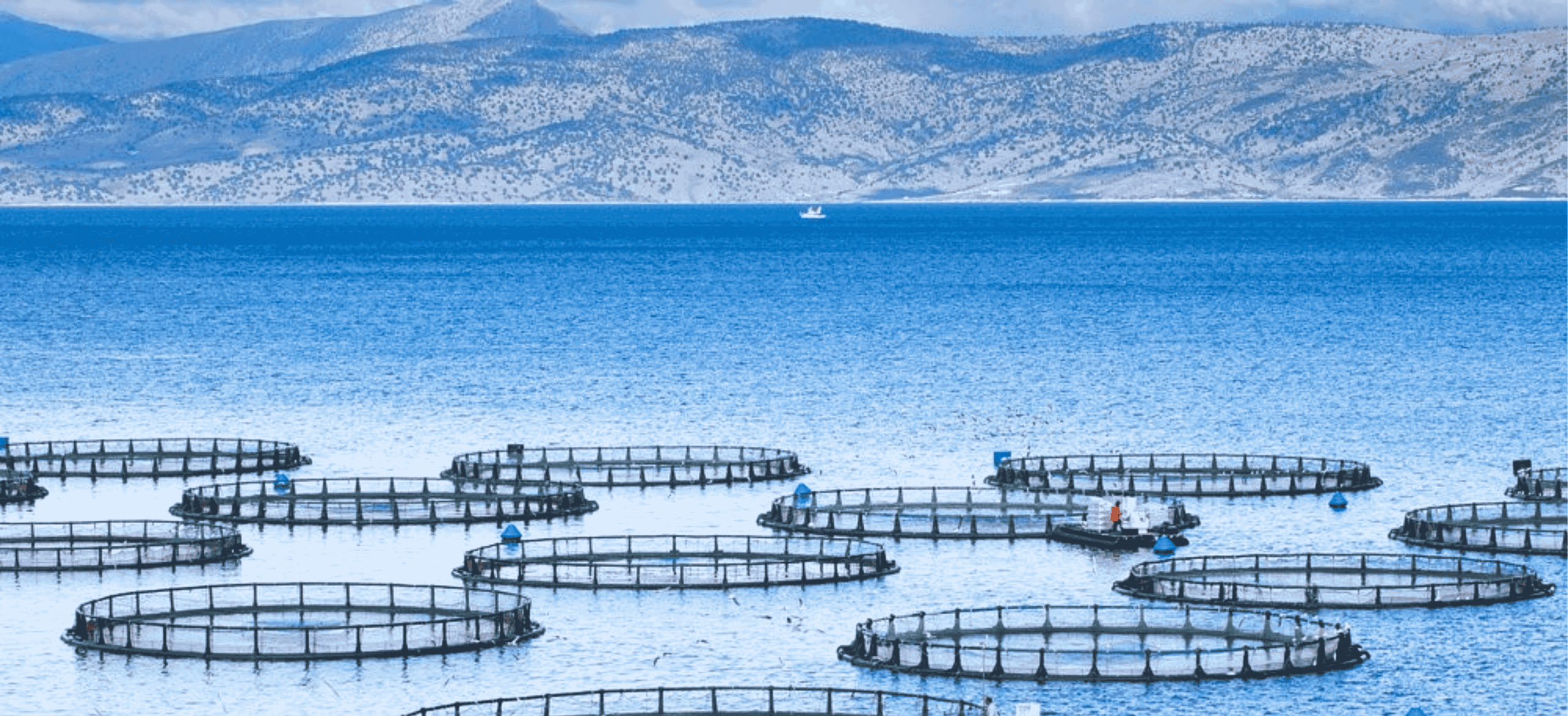
Aquaculture (the farming of fish, shellfish, and aquatic plants) is a strategic pillar of modern production systems. It involves controlled breeding of aquatic organisms—both plants and animals. It is a crucial economic activity for producing food, industrial and pharmaceutical raw materials, and organisms for restocking or ornamental use.
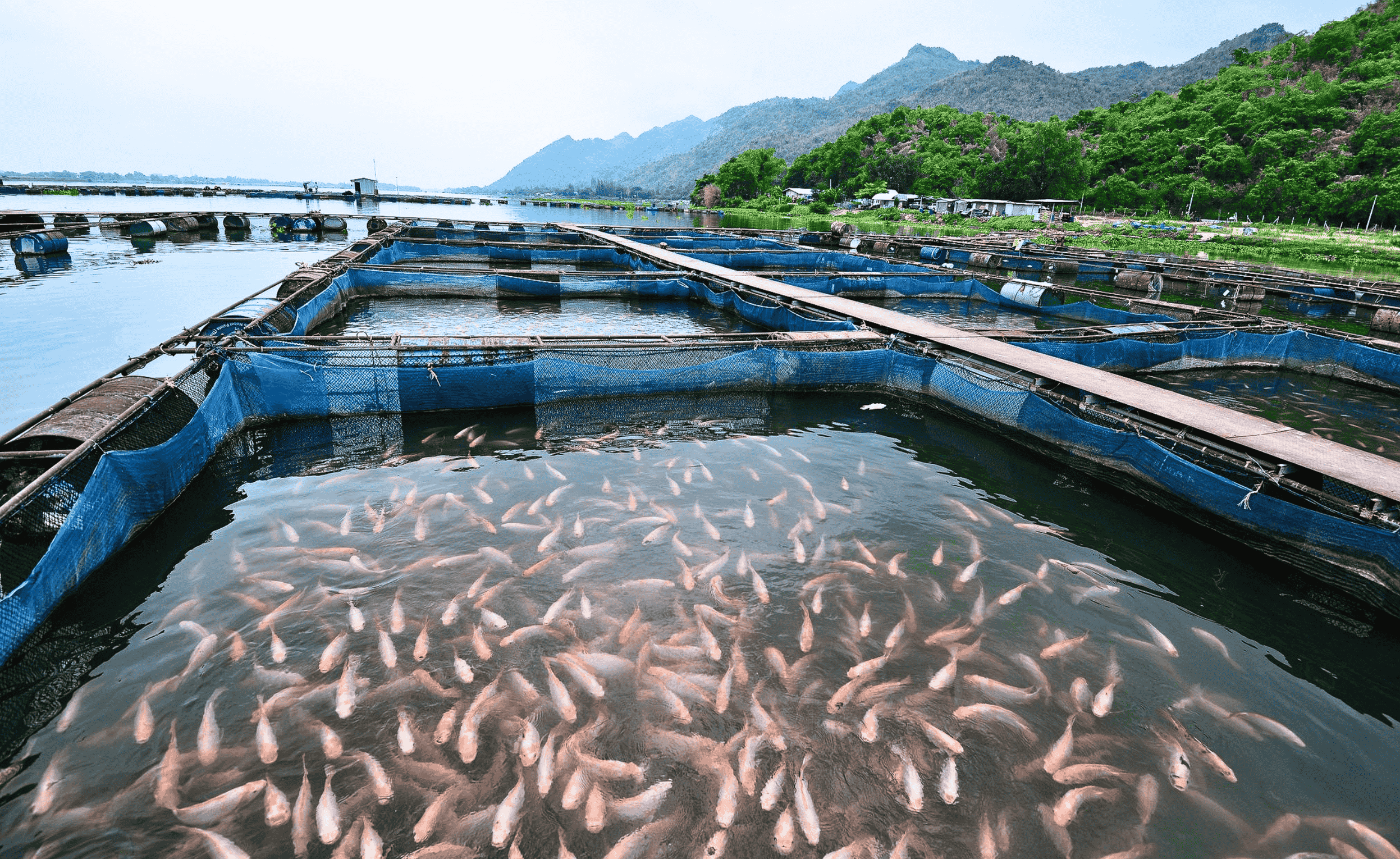
Aquaculture not only directly provides food but also helps address overfishing and supports both human and animal production. This sector closely aligns with the Sustainable Development Goals (SDGs).

Overpopulation and growing demand for food
Specialized international organizations warn of the challenges posed by population growth and increasing food and input needs. Current environmental, social, and economic conditions have created a critical scenario. The world population is estimated to exceed 9.3 billion by the middle of the 21st century. Meanwhile, there is accelerated environmental degradation, a progressive decline in natural resources, significant biodiversity loss, and risks associated with climate change (Bulege, 2013).
In response to this urgent challenge, the FAO projects that global agriculture must increase production by almost 50% compared to 2012 levels. In regions such as sub-Saharan Africa and South Asia, farmers have no choice but to double or even triple agricultural production to meet intensifying demand (FAO, 2017). Success will depend on relentless efforts to optimize productivity, prioritize efficiency, and minimize environmental impact. The goal is not just to produce more, but to ensure food security and sustainability for future generations.
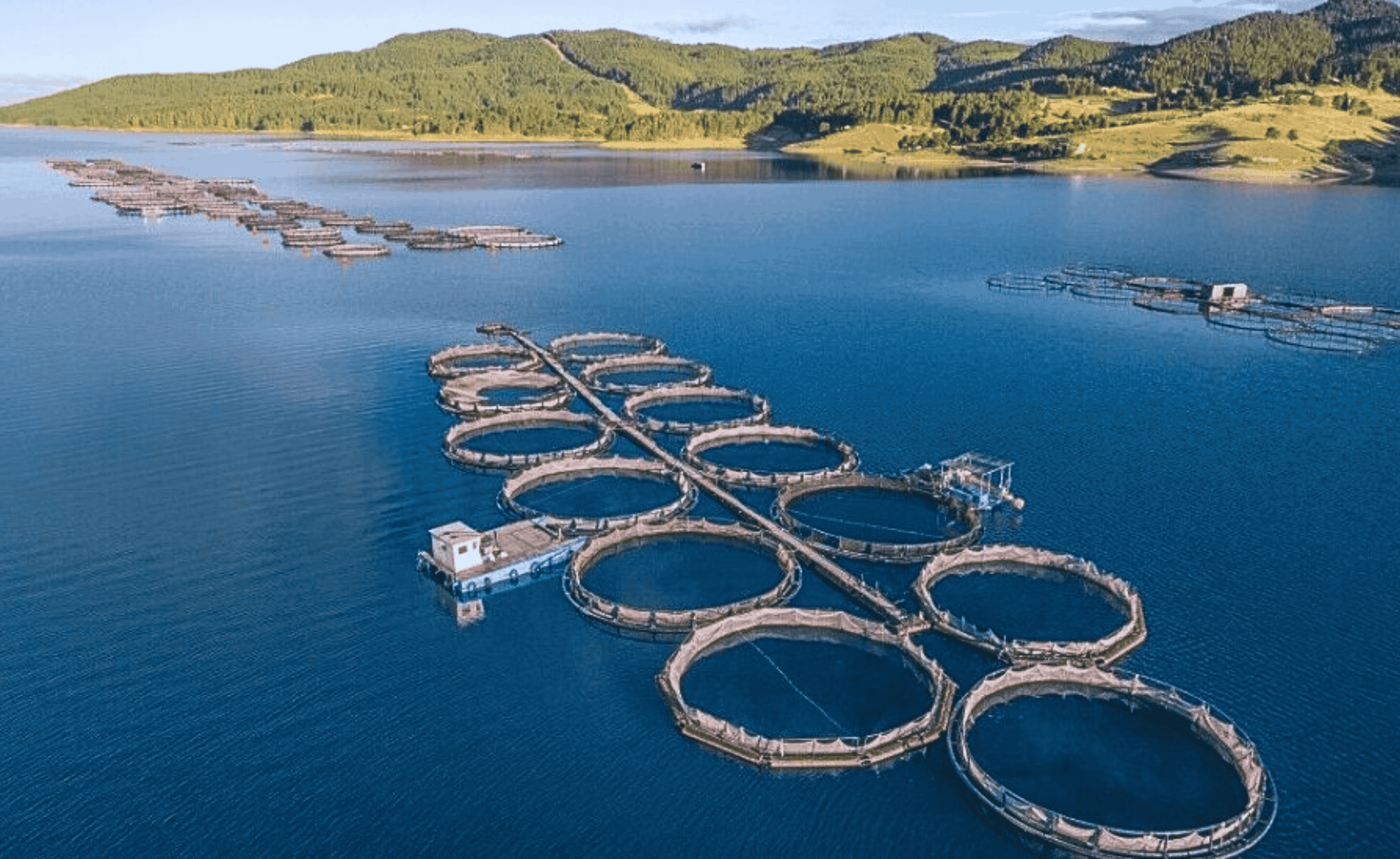
Strategic role of aquaculture
In this context, aquaculture stands out as a powerful and indispensable solution to meet future nutritional needs. It consistently delivers high-quality food with a lower environmental impact. Moreover, aquaculture supplies a diverse range of goods and provides vital ecosystem services, such as water filtration by certain species. Producers successfully develop it for marine (saltwater), freshwater, and brackish (partly salty) ecosystems, demonstrating remarkable adaptability. This innovative approach unlocks production potential in underutilized or unused areas.
Currently, more than 500 aquatic species are farmed. Aquaculture has one of the lowest carbon and water footprints among animal production systems. Farmed species are also highly efficient at converting feed and resources into edible animal tissue, known as edible biomass. Their products contain essential amino acids, vitamins, minerals, and omega-3 fatty acids. These nutrients are fundamental for the optimal functioning of the nervous, circulatory, and immune systems (FAO, 2017).
Challenges for the sector’s growth
The advancement of aquaculture faces significant challenges. Production will need to expand to meet the growing demand for algae, fish, and shellfish. This need comes amid stagnant or declining extractive fisheries. Increased consumption of aquatic products has also raised market standards. These now demand higher quality, diversity, safety, and traceability.
To ensure the sector’s continued global competitiveness, we must proactively incorporate advanced technologies, diversify species, and rigorously comply with international standards (Hicks, 2016).
Aquaculture and the sustainable development goals
Aquaculture plays a central role in achieving several SDGs defined by the United Nations:
- SDG 2 (Zero Hunger): Aquaculture drives food security, offering sustainable seafood production and a real pathway to eradicating hunger.
- SDG 14 (Life Below Water): Actively drives the sustainable use of oceans and marine resources by backing impactful initiatives aimed at reducing overfishing, pollution, and ocean acidification.
- SDG 13 (Climate Action): With lower carbon emissions than land-based agriculture, aquaculture is a proven tool for climate change mitigation and advancing global climate goals.
During the 2020 roundtable of CEOs from the seafood industry, the importance of seafood for global food security was highlighted, and the need to integrate aquaculture and fisheries into a long-term sustainable food system was emphasized.
Bibliography:
- Bulege, W. (2013). «Crecimiento demográfico y cambio climático». Apuntes de Ciencia & Sociedad, 3(1), pp. 4-5. DOI: 10.18259/ acs.2013001
- (2017). «El futuro de la alimentación y la agricultura tendencias y desafíos». Disponible en: http://www.fao.org/3/a-i6881s.pdf
- Hicks, D. T. (2016). «Seafood safety and quality: The consumer’s role». Foods, 5(4), 71. DOI: 10.3390/foods5040071