

Technical Report: Validation of Forzasil-K in the Cultivation of Rice “Oryza Sativa”
Date
11 of December, 2025
Author
PROQUINSA
Reading
15 min

Introduction
In agriculture, we mistakenly believe that balanced nutrition is based solely on synthetic minerals. It was thought that applying only Nitrogen (N), Phosphorus (P), and Potassium (K) to the soil was sufficient; then, the importance of foliar nutrition and micronutrients was recognized, and we have remained under this system for decades. However, new research shows that supplementing these with Silicon (Si), a component of Forzasil-K, yields excellent results across all crops, which is what farmers want.

According to Minagri (Ministry of Agriculture and Irrigation), in 2013, the area planted with rice increased gradually to 388,000 hectares, a figure expected to remain stable on average in the coming years.
It also represents 7.7% of the gross value of national production, reaching 1,028 million nuevos soles, and generating approximately 161,300 permanent jobs in 2012 alone.
Similarly, estimated per capita consumption is 64 kg/person/year. In terms of food security, it is a staple product as it forms part of the basic food basket.
For food safety reasons, there is an increasing demand for healthy crops that are free of pesticides and other chemicals, have high organoleptic quality, are brightly colored, firm, and long-lasting, and are affordable.
As a result, products have been developed to achieve these objectives; for this reason, Forzasil-K is especially suitable for the integrated management of vegetable crops, especially leafy vegetables.
The effect of Silicon (Si) provided by Forzasil-K is remarkable in leafy vegetables, where deposits of this element at the tissue level promote a reduction in post-harvest water stress and improve the absorption of Calcium (Ca), Magnesium (Mg), Zinc (Zn), and Iron (Fe), and generates greater tissue turgidity, resulting in resistance to disease and pest attacks.
Objectives of the Forzasil-K study:
- To demonstrate that Forzasil-K increases rice crop production and quality.
- Identify the Forzasil-K treatment(s) that increase rice crop yield.
- Determine the rate of vegetative development at all phenological stages in rice cultivation using Forzasil-K.
Glossary
Silicon
Silicon (Si) in the soil unlocks nutrients and transforms them into silicates for immediate absorption. According to Quero (2010), Silicon (Si) contributes to improving biological processes involved in productivity, such as the assimilation and flow of minerals, the accumulation and mobilization of carbohydrate reserves, and the production of phytochemicals. Through biosilification, it is possible to obtain better harvests in terms of volume, health, nutraceutical, and functional quality (Matichenkov, V., 2008).
Silicon absorption
Silicon (Si) constitutes between 0.1 and 10% of the dry weight of higher plants, while Calcium (Ca) is present between 0.1 and 0.6% and Sulfur (S) between 0.1 and 1.5%. Rice accumulates up to 10% Silicon (Si), absorbing varying amounts throughout its growth and development stages. In general, monocotyledons accumulate more Silicon (Si) than dicotyledons, although differences can be observed even at the variety level.
Fertilization with Silicon
Fertilization with Silicon (Si) is considered to increase resistance to various fungal diseases and other pests. Increased absorption of this mineral provides mechanical protection to the plant’s epidermis, reducing infection by phytopathogens and increasing resistance to drought. “In the case of diseases, countless studies show that increased plant resistance to pathogens may be due to an alteration in the plant’s response to parasite attack, which increases the synthesis of toxins (phytoalexins), which can act as inhibitory or repellent substances, as well as forming a mechanical barrier.” Among the benefits of Silicon (Si) is that it increases the proportions of Calcium (Ca) and Magnesium (Mg).
Detoxification with Silicon
The elements that cause toxicity in soils and plants are Aluminum (Al) and Manganese (Mn), as they make the soil and plants too acidic. In acidic soils, these elements inhibit the uptake of other minerals and negatively affect enzymatic activity. In soils contaminated with Tin (Sn), Copper (Cu), Zinc (Zn), Lead (Pb), Cadmium (Cd), and Mercury (Hg), Silicon (Si) provides a protective mechanism, making plants more tolerant of heavy metals (Bent, E. 2010).
Main benefits of Silicon for crops, from a Forzasil-K Perspective
- Plants can absorb 98% of the Silicon (Si) applied, resulting in higher yields per hectare.
- Thanks to the amphoteric function of Silicon (Si), no interaction problems with other macro and microminerals are observed.
- Silicon (Si) advances and homogenizes ripening, resulting in higher-quality, better-tasting fruit.
- Better fruit set and reduction in flower and fruit abortion.
- Treatment and prevention of chlorosis.
- Prevention, reduction, and even elimination of damage caused by cold weather.
- Best of all, it induces acquired and induced immunity.
Methodology
Location of the trail
The trial was conducted in the Naranjos Alto area, Cajaruro District, Utcubamba Province, in the department of Amazonas, at an elevation of 580 meters above sea level. The irrigation system used is flood irrigation. The trial was set up in early June 2013 on Mr. Fidel Corrales’ plot, with an average temperature of 28 °C at the time.
A Jacto lever sprayer with a fan nozzle is used to apply treatments directed at both the foliage and the roots of the plants.
Treatment
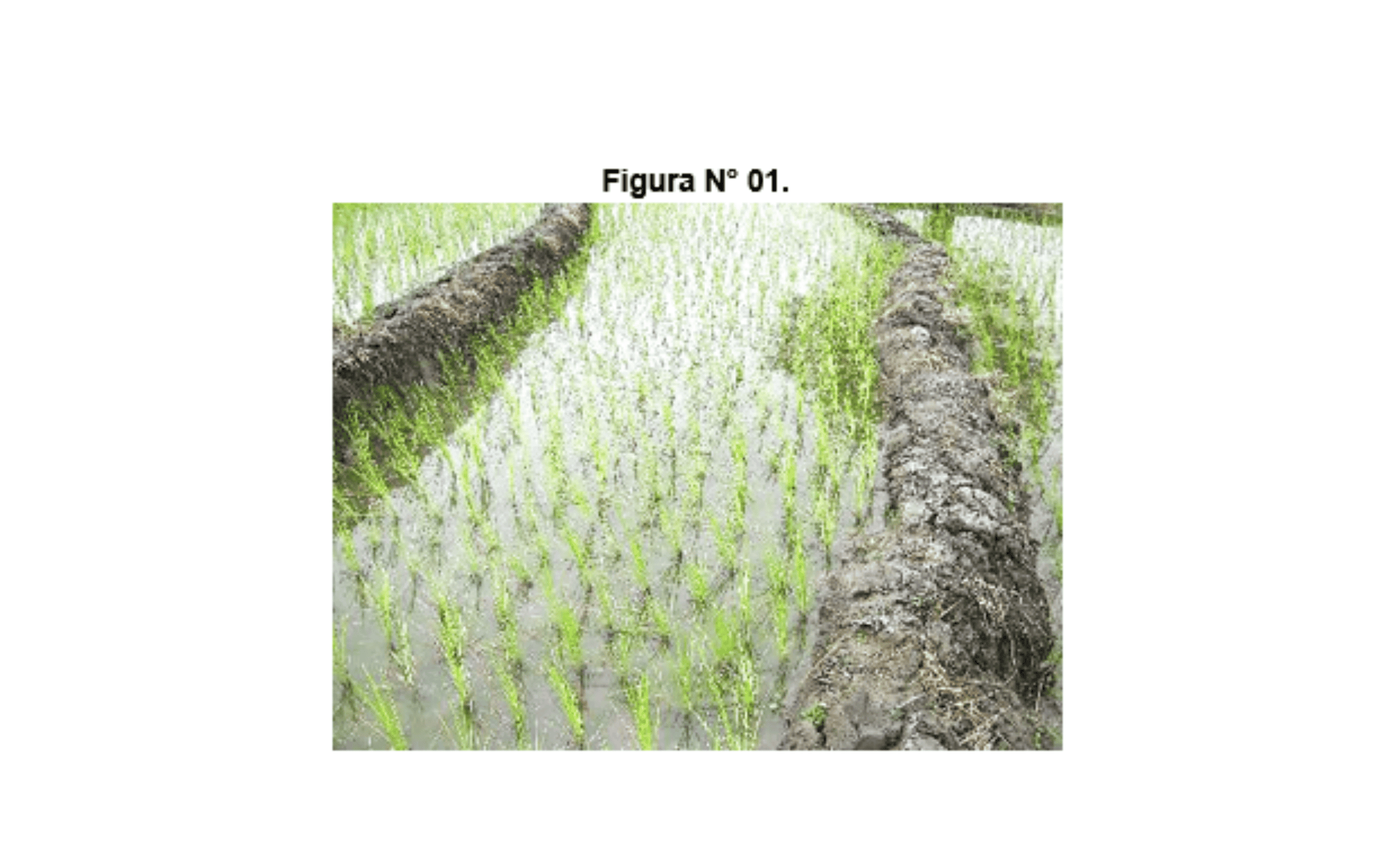
The only treatment factor proposed is Forzasil-K (Silicon (Si) + Potassium (K)) in liquid form, which will be evaluated in different doses via foliar and soil application. These treatments (see Table No. 01) will be incorporated into the phytosanitary applications applied to the crop.

Field managers previously evaluated this proposal; once informed about the crops’ vegetative cycles, the ideal time to apply the tests is coordinated and determined.
The area stipulated for treatment was 1 ha, which was delimited and divided into 0.5 ha for the treatment of 1.5 kg of Forzasil-K via foliar application and 0.5 ha for the treatment of 2.0 kg of Forzasil-K via soil application. In comparison, a neighboring field with similar characteristics, measuring 1 ha, was selected as the control.
Soil application is carried out on the previously irrigated field by direct soil-spraying, which is absorbed by the root system. All treatments will be carried out under equal conditions.
When Forzasil-K is mixed with other commonly used nutrients or pesticides, it acts within the plant as the key transporter of all compounds, enhancing nutrient uptake, improving the adhesion of pesticides and various agricultural foliar products to the plant’s surface, and achieving optimal yields.
Dependent variables
- Plant height
- Number of tillers per plant
- Number of ears per plant
- Yield (kg) per hectare
Data collection
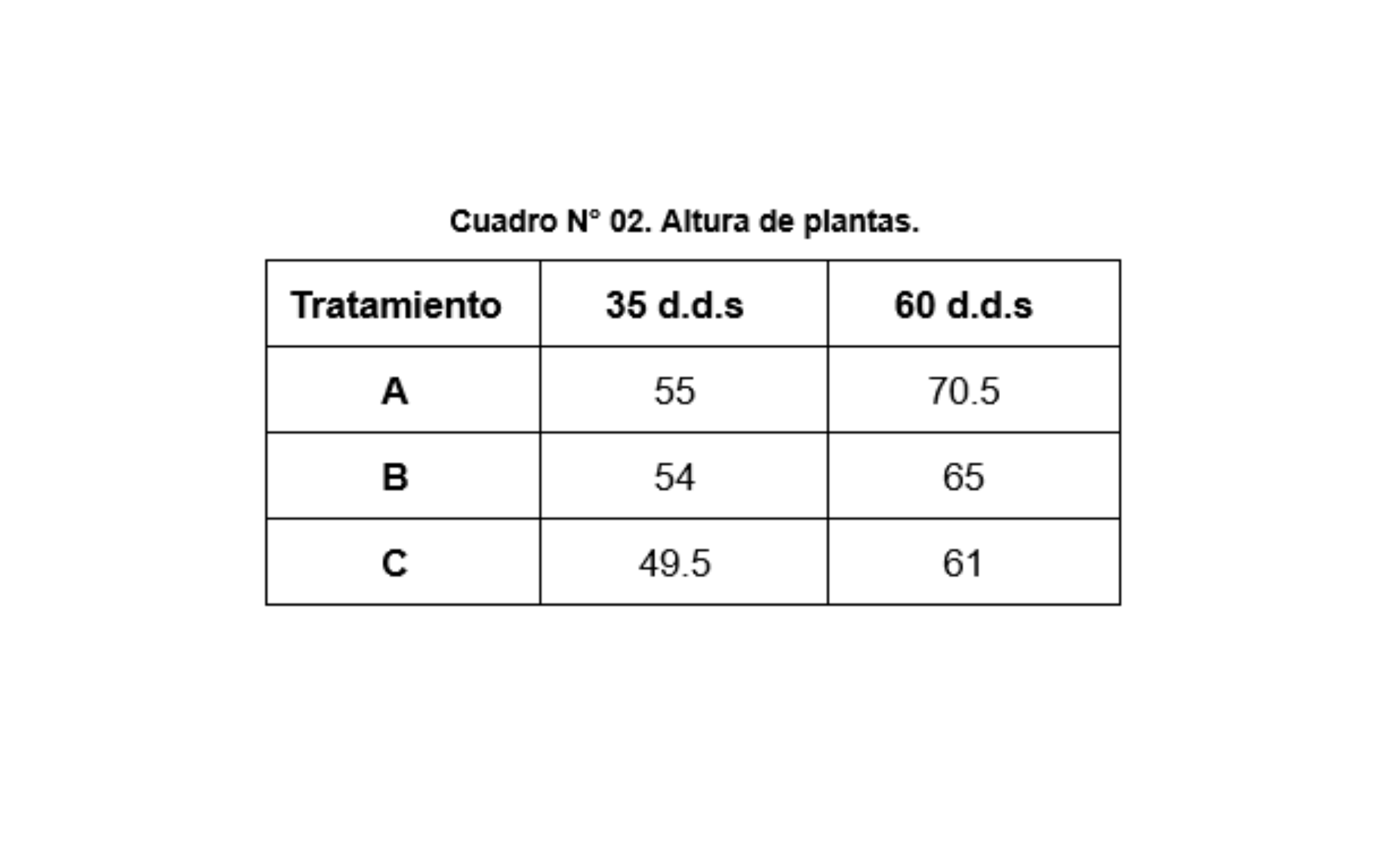
Data collection was carried out 35 and 60 days after sowing; 10 plants were selected in advance from the center of the plot to avoid the edge effect.
Results and discussion of the benefits of Forzasil-K
Plant height:
When comparing average height with the TC (control), the TA is 5.5 cm taller, and the TB is 4.5 cm taller. In the first evaluation, conducted 35 days after sowing, the height was 8.5 cm for treatment A and 4 cm for treatment B; in the second evaluation, conducted 60 days after sowing, the height was 8.5 cm for treatment A and 4 cm for treatment B.
Number of tillers, ears per plant:
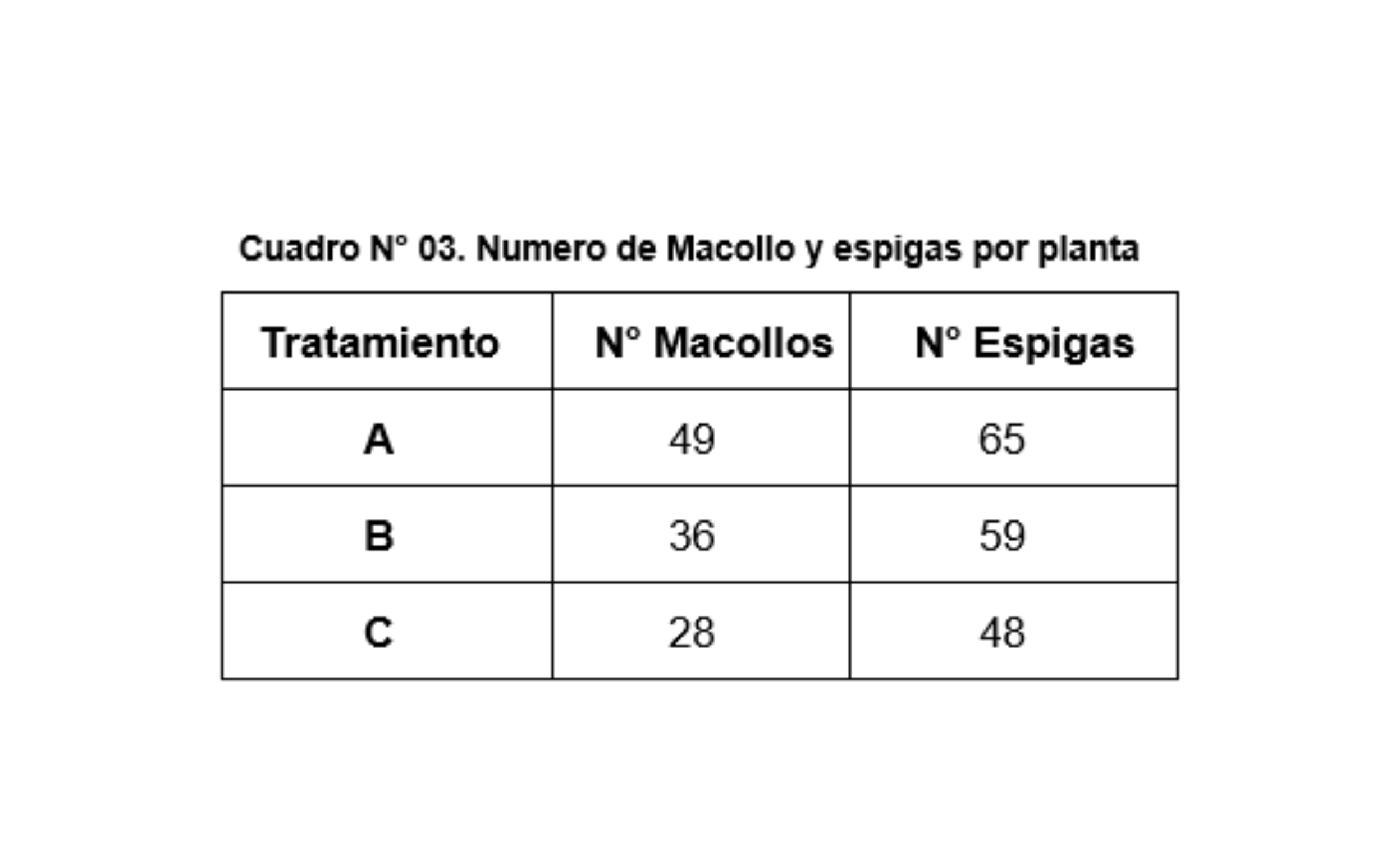
These data were taken 60 days after sowing. Compared with the TC (control) data, TA and TB show significant differences, with TA exhibiting the largest increases in tillers and ears per plant. This difference explains that the addition of the product Forzasil-K to the producer’s regular treatment influenced these variables and was the decisive factor in the increase in production.
Effect on leaf structure:
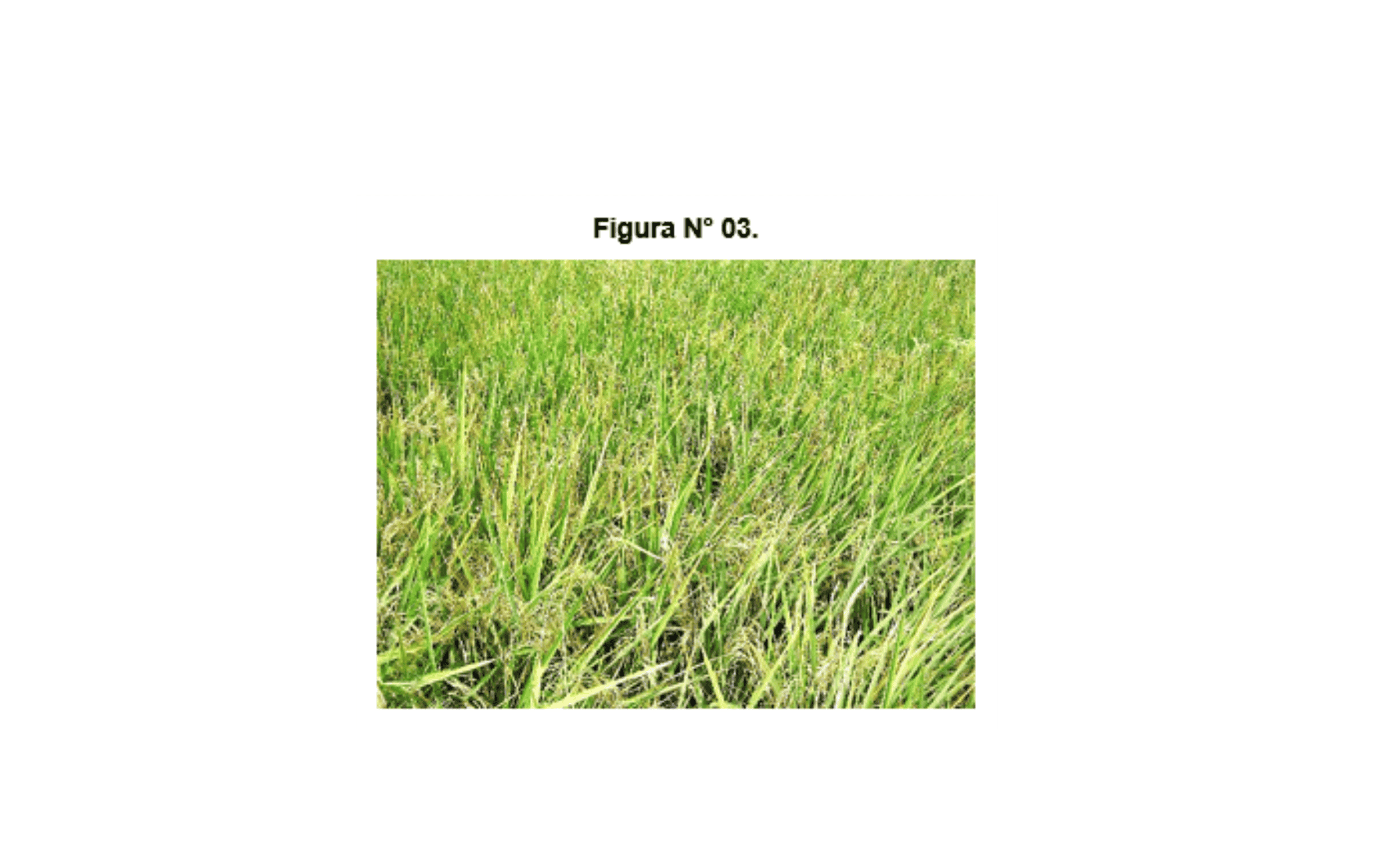
Fifteen days after the first application of Forzasil-K, thicker, straighter leaves with higher chlorophyll and more trichomes were observed. To test the stress effect and vitality of the leaf under sunlight, leaves with and without Forzasil-K treatment were cut from the base of the stem, and it was found that the plants that were sprayed with the product did not curl easily.
Yield per hectare:
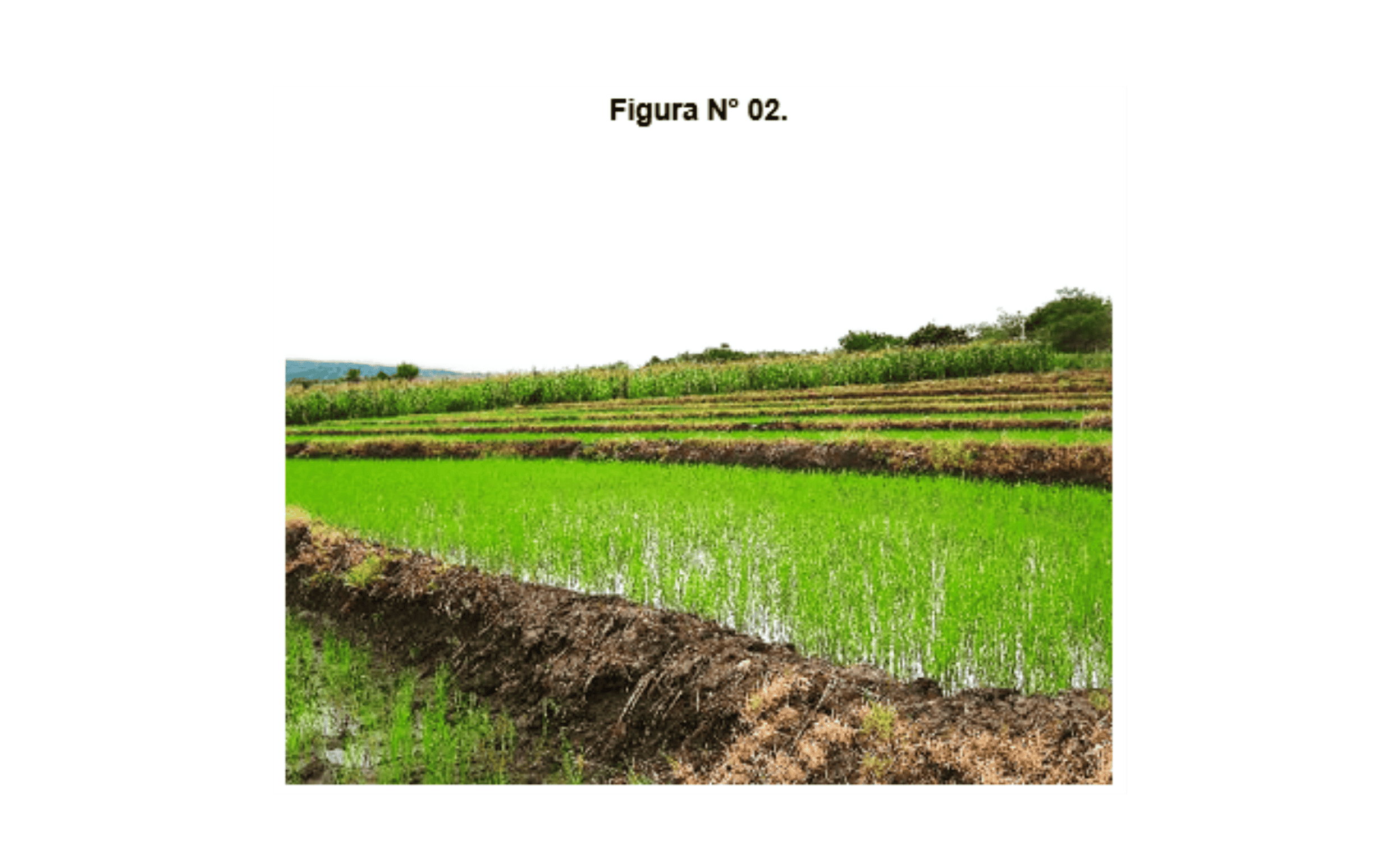
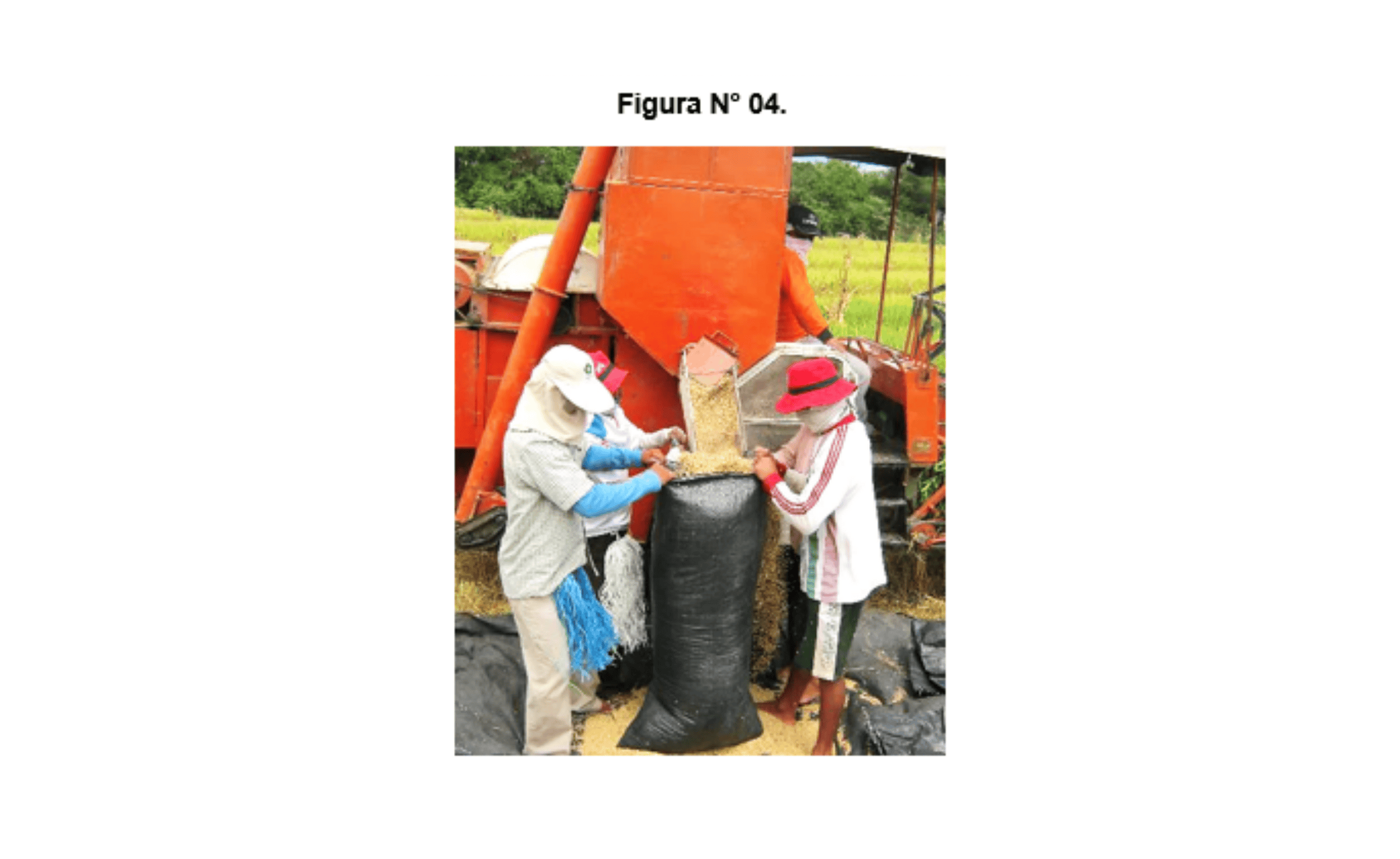
Regarding the control field, a high level of significance was found in the present application trial. In the TC (control), 88 bags of paddy rice were harvested, averaging 85 kg per bag. The TA and TB had an increase of 14 more bags of paddy rice, each weighing 90 kg (on average), compared to the TC. This difference explains why production is associated with more tillers and ears.
Conclusions on the application of Forzasil-K
- It was found that Forzasil-K helps strengthen rice plant tissues, increase root system size, and increase tillering and the number of ears and grains.
- It was observed that applying Forzasil-K resulted in heavier rice grains, contributing to a 22.7% increase in yield.
- This randomized trial is an invaluable contribution to national agriculture, and it demonstrates that higher yields can be achieved with environmentally friendly products.
Bibliography
- Filgueiras O. 2007. Silicio en la agricultura. El mineral es usado para controlar plagas, incrementar la productividad y mejorar la calidad de productos agrícolas. Edición Impresa 140 pg. Horna Z., 2011. Revolución de la agricultura con la aplicación de péptidos. Engormix.com. Argentina.
- Matichencov V., 2008. Estructura química del silicio y procesos de biosilicificación. Rusia.
- Malidarh Ghanbari, Mobasser A. H. & Alavi, V., 2008. Efecto de las tasas de silicio y nitrógeno en hoja y cuello de blast, contenido de clorofila y rendimiento de arroz (Oryza sativa L.) en dos sistemas de gestión de agua. (Inundaciones y riego deficitario) en el norte de Irán. Departamento de Agronomía de la Universidad Islámica Azad, Irán. Documento presentado en la Cuarta Conferencia Internacional sobre el Silicio. Kwa Zulu-Natal, África del Sur.
- Quero, E. 2008. La biosilicificación proceso biológico fundamental en la producción agrícola. México.