

Should we bet on Silicate Paints?
Date
18 of July, 2025
Author
PROQUINSA
Reading
15 min
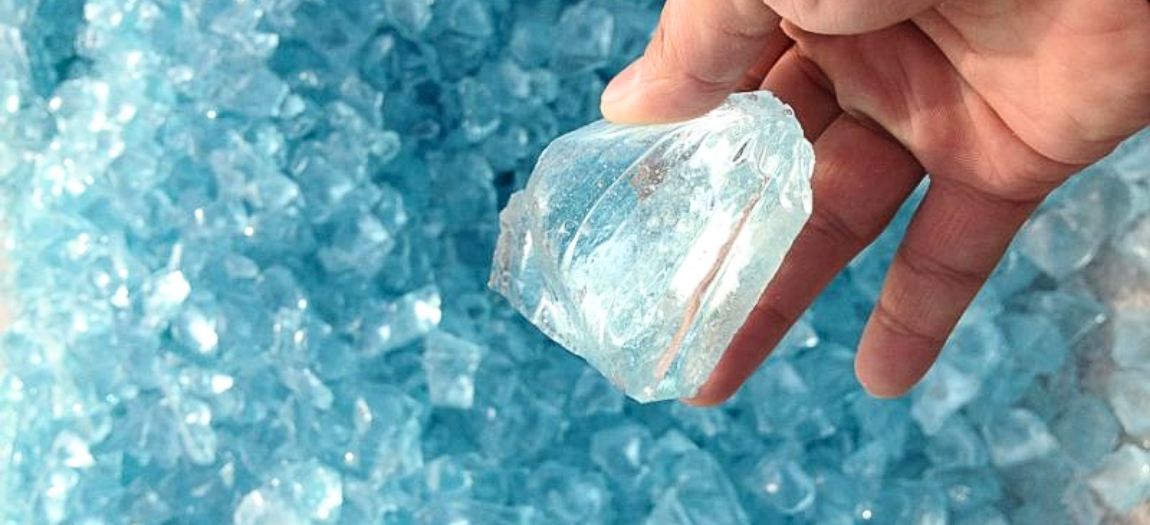
The answer is an obvious yes. Silicate paints, made from highly resistant minerals, offer exceptional performance in exterior applications. They adhere to the mineral substrate via an insoluble chemical reaction that prevents the formation of a surface film. In addition, they have a breathability equivalent to that of the substrate on which they are applied, which makes them an outstanding choice for walls exposed to demanding environmental conditions.
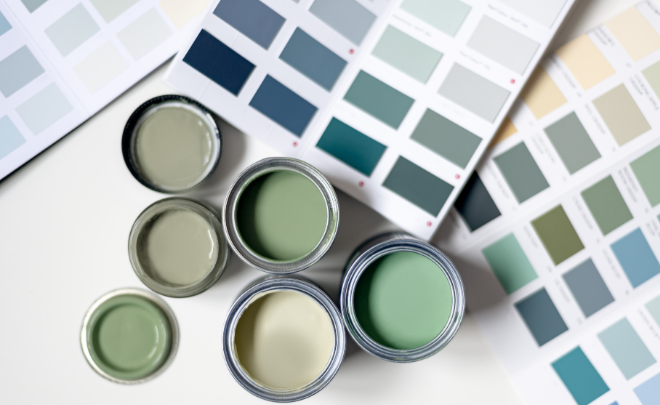
What is silicate paint?
Silicate paint is a mineral coating whose main binder is potassium silicate. Its operation is based on silicification or petrification, a chemical reaction that produces an insoluble mineral bond between the paint and the substrate. This technology was developed and patented in 1878 by the German researcher Adolf Wilhelm Keim, initially as a solution for artistic murals on facades in cold, humid climates where the fresco technique was not durable.
When are silicate paints used?
These paints are ideal for mineral substrates, such as plaster and concrete. They are not recommended for plastic, wood, or surfaces previously coated with plastic or oil paints.
Their high vapor permeability allows residual moisture in walls and plaster to diffuse freely to the exterior, promoting dry walls and preventing structural damage.
They form a high-strength, mineral-looking, non-cracking film with excellent durability and penetration. Their microcrystalline structure favors thermo-hygrometric equilibrium thanks to their high breathability.
Moreover, as they are composed almost entirely of mineral raw materials, they are highly environmentally friendly and contain no harmful substances, which makes them particularly valuable in bioconstruction.
Characteristics and properties of silicate
Thanks to their siloxane reinforcement, these paints allow vapor to pass but repel water, ensuring optimal moisture management. They are highly resistant to solar radiation, a crucial property for exterior applications.
The durability of silicate mineral paints can exceed 100 years, as demonstrated by historic buildings, including the town hall in Schwyz, Switzerland, painted in the 19th century.
Their ability to cover imperfections, fill cracks, and plaster surfaces makes them an excellent tool for restoring old buildings and for decorative interior finishes with high visual impact.

Types of silicate paints
- Two-component silicate paint:
The original formula. It is prepared by mixing pigments and powder fillers with liquid potassium silicate. It offers maximum breathability and durability, forming an extremely hard coating. However, improper application may cause lifting or the formation of salts.
- Silicate dispersion paint:
The most widespread version. It contains approximately 95% of mineral components (potassium silicate, water, fillers, pigments, etc.) and up to 5% of organic substances (resins, stabilizers, or silicones) that improve its performance and resistance.
- Sol-silicate paint:
In this variant, part of the potassium silicate is replaced with silica sol, enabling its application to organic substrates, including walls with previously applied plastic paint. The binder results from the combination of potassium silicate + silica sol.

How is silicate paint applied?
- The surface must be clean, firm, and completely dry.
- Before painting, it is recommended to apply a suitable primer.
- The mixture of paint and thinner should be prepared only once to ensure uniformity of tone.
- It can be applied by brush, roller, or spray, avoiding direct sunlight, rain, or wind.
- It is usually applied with two coats, respecting a minimum interval of 12 hours.
- Sensitive elements, such as glass, metal, or ceramics, should be protected, and any splashes should be cleaned immediately with water
Silicate paints stand out for their mineral origin, low environmental impact, extraordinary durability, and contribution to the health and hygrothermal balance of buildings. For these reasons, they have become one of the most valued options for restoration, sustainable architecture, and bioconstruction.
In this context, companies in the industrial chemical sector, such as PROQUINSA, committed to innovation and sustainability, play a key role in developing and promoting technologies, such as silicate paints. Through high-quality solutions, responsible management of inputs, and a focus on energy efficiency, PROQUINSA promotes more durable and environmentally friendly buildings, reaffirming its commitment to a sustainable industrial future.